
How an SMS Provider Malaysia Supports Multi Language Messaging
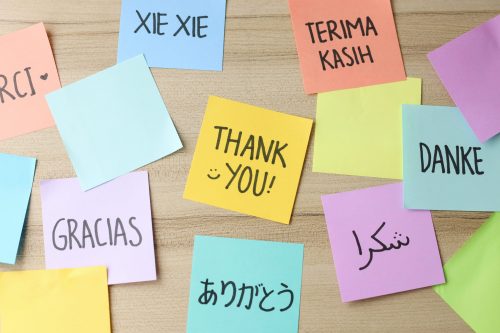
The Power of Localized Communication in Malaysia
Imagine receiving a festive Hari Raya greeting from your favourite brand — but it’s written entirely in English, stiff and generic. Compare that to one that arrives in warm, familiar Bahasa Malaysia. Which one would make you smile and actually click through?
That’s the power of localized communication. And in a country as beautifully diverse as Malaysia, getting the language right isn’t just a nice touch — it’s a business strategy.
Why Modern Businesses Can't Rely on English Alone
Malaysia is home to a rich tapestry of languages and cultures. While English is widely understood in urban professional settings, it’s simply not the language closest to most Malaysians’ hearts. If your SMS campaigns are going out in English only, you’re likely leaving engagement — and revenue — on the table.
The good news? A capable SMS provider Malaysia businesses trust can handle the full spectrum of languages your customers speak, automatically and reliably.
What to Expect from This Guide
In this guide, we’ll walk you through why multi-language SMS matters in Malaysia, how the underlying technology works (don’t worry, we’ll keep it jargon-free), and what features to look for when choosing the right SMS gateway for your needs. Let’s dive in.
The Multilingual Reality of the Malaysian Market
Understanding Malaysia's Demographic Diversity
Malaysia’s population of over 33 million is made up of Malay, Chinese, Indian, and various indigenous communities — each with their own preferred languages and dialects. Bahasa Malaysia is the national language, Mandarin Chinese is widely spoken among the Chinese community, Tamil resonates with a large portion of the Indian population, and English serves as a common bridge across groups.
For businesses, this means a one-size-fits-all approach to messaging simply won’t cut it.
Why Consumer Preference Leans Toward Native Languages
Study after study confirms what most of us already know intuitively: people respond better to communication in their native or preferred language. It feels personal, respectful, and familiar. Whether it’s a promotional offer or an OTP alert, a message in the recipient’s language lands with more impact and trust.
The Impact of Language Personalization on SMS Open and Conversion Rates
SMS already boasts an impressive open rate of around 98% — far ahead of email. But when you add language personalization into the mix, conversion rates can climb even higher. A customer who receives a Deepavali promotion in Tamil, or a billing reminder in Mandarin, is far more likely to take action than one who receives a generic English message. Language personalization signals that you see your customers as individuals, not just numbers.
The Science Behind Multi-Language Texting: GSM-7 vs. Unicode
What is GSM-7 Encoding?
When you send a standard SMS in English or other basic Latin-script languages, it uses a character encoding called GSM-7. This is the default encoding for SMS and supports 128 characters — enough for everyday English text, punctuation, and numbers. A single SMS using GSM-7 can contain up to 160 characters.
What is Unicode (UCS-2/UTF-8) Encoding?
For languages like Mandarin Chinese, Tamil, Arabic, or even emojis, SMS switches to a different encoding standard called Unicode (specifically UCS-2). Unicode can represent virtually any character in any language in the world — which is exactly what you need for a multilingual market like Malaysia.
The trade-off? Unicode SMS messages are limited to 70 characters per message instead of 160.
The Character Limit Trap: How Encoding Affects Message Length
This is where many businesses get caught off guard. You craft a beautiful message in Mandarin, hit send on your bulk SMS Malaysia campaign, and your billing suddenly looks much higher than expected. Why? Because your 140-character message wasn’t one SMS — it was split into two Unicode messages, each billed separately.
Understanding this distinction is essential for managing your messaging costs effectively.
How a Top SMS Provider in Malaysia Handles Concatenated Messages Automatically
Here’s where a smart SMS gateway earns its keep. When a message exceeds the single-SMS character limit — whether it’s 160 characters in GSM-7 or 70 in Unicode — the system automatically splits it into what’s called concatenated messages. These are multiple SMS segments that are seamlessly stitched back together and displayed as one continuous message on the recipient’s phone.
A reliable SMS provider Malaysia businesses depend on will handle concatenation automatically, so your customers always receive a smooth, readable message — no awkward mid-sentence cut-offs.
Core Features of a Multi-Language SMS Gateway in Malaysia
Automated Language and Character Detection
The best SMS gateways automatically detect the language and character type of your message and switch between GSM-7 and Unicode encoding as needed. You don’t need to configure anything manually — the system handles it behind the scenes.
Dynamic Template Customization for Local Dialects
Whether you’re crafting a festive greeting for Hari Raya, a transactional alert in Mandarin, or a Tamil OTP instruction, a good platform lets you build and save templates for each language. This makes it easy to run personalized bulk SMS Malaysia campaigns without starting from scratch every time.
Flexible Developer-Friendly APIs with Full Unicode Support
For developers integrating SMS into their platforms, a well-designed SMS API Malaysia solution should natively support Unicode across all message types — transactional, promotional, and authentication. Mocean’s SMS API is built exactly this way: clean, RESTful, and fully Unicode-compatible, so your team can integrate multi-language messaging without headaches or workarounds.
Seamless Integration with Local Telco Networks
Delivery reliability matters enormously in Malaysia. A strong SMS provider maintains direct connections to local telco networks — Maxis, Celcom, Digi, and U Mobile — ensuring your messages reach recipients quickly and without unnecessary routing delays. This direct telco integration is what separates a premium SMS gateway from a generic reseller.
Practical Use Cases for Multi-Language Bulk SMS in Malaysia
Marketing Campaigns: Festive Greetings That Actually Feel Festive
Malaysia’s rich calendar of celebrations — Hari Raya, Chinese New Year, Deepavali, Christmas — presents a golden opportunity for brands to connect with their customers. An SMS blast in the right language at the right time doesn’t just inform; it creates an emotional connection. “Gong Xi Fa Cai!” in Mandarin hits differently than a generic “Happy CNY.”
Transactional Notifications: Clear and Culturally Relevant
Delivery updates, billing alerts, appointment reminders — these are messages customers actually want to receive. Sending them in the customer’s preferred language reduces confusion, cuts down on customer service calls, and builds brand trust.
Security & OTPs: No Room for Misunderstanding
Two-Factor Authentication (2FA) messages need to be crystal clear. A customer who misreads an OTP instruction because it’s in an unfamiliar language is a frustrated customer — and a potential security risk. Delivering OTP messages in the recipient’s language ensures clarity and confidence.
Two-Way Interactive Messaging: Conversations in Any Language
Modern SMS isn’t just a one-way broadcast tool. With two-way communication enabled through Mocean’s SMS API, customers can reply in their preferred language, and your system can route and respond accordingly. This is the foundation of genuinely customer-centric service.
Best Practices for Executing a Multilingual SMS Strategy
Segmenting Your Customer Database by Language Preference
Before you send a single message, know your audience. Segment your customer database by language preference — whether gathered through sign-up forms, purchase history, or location data. The more accurate your segmentation, the more relevant your messaging.
Testing Character Rendering on Different Handsets
Not all phones render Unicode characters identically. Before launching a large campaign, test your messages across a range of devices to ensure Mandarin characters, Tamil script, or even emojis display correctly for your recipients.
Monitoring Character Counts to Manage Costs
Keep a close eye on your message length, especially for Unicode content. Most good SMS platforms — including Mocean — provide real-time character count indicators so you can see exactly how many SMS segments your message will use before you hit send. This helps you stay in control of your SMS blast budget.
Keeping Compliant with Malaysian Messaging Guidelines
Malaysia’s communications regulator sets out clear guidelines for commercial messaging — covering things like opt-in consent and sender identification. In short: always get permission before messaging, identify your brand clearly using an alphanumeric sender ID, and always provide an easy way for customers to opt out. Respecting these guidelines protects your brand reputation and ensures sustainable, long-term customer relationships.
How to Choose the Right SMS Provider Malaysia for Multi-Language Support
Look for Robust Unicode Optimization Tools
Your platform should handle encoding automatically, display accurate character and segment counts, and support the full Unicode standard — not just a subset of it. If a provider can’t clearly explain how they handle Unicode, that’s a red flag.
Demand Direct Telco Routing and Real-Time Delivery Reports
Every message you send should be traceable. Look for an SMS provider that offers real-time delivery reports and direct routing to Malaysian telco networks. This means faster delivery, better deliverability rates, and visibility into what’s actually happening with your campaigns.
Prioritize Localized Support and Scalable, Transparent Pricing
When things go wrong — and sometimes they do — you want a support team that understands the Malaysian market. Beyond support, your pricing should scale with your needs. Mocean’s pay-as-you-use model means you only pay for what you send, with no hidden charges or lock-in contracts. Whether you’re a startup sending a few hundred messages or an enterprise running million-message sms blast campaigns, the pricing grows with you.
The Strategic Value of Multi-Language SMS
In Malaysia’s wonderfully diverse market, language is more than communication — it’s connection. Businesses that invest in multi-language SMS capabilities aren’t just ticking a technical box; they’re demonstrating genuine respect for their customers’ identities and preferences. That translates directly into higher engagement, stronger brand loyalty, and better business outcomes.
From automated Unicode handling and concatenated messages to dynamic templates and local telco integration, the right SMS provider Malaysia businesses choose will make multilingual messaging feel effortless — for your team and your customers alike.
Ready to Reach Every Malaysian, in Their Language?
Mocean’s SMS API is built for exactly this — global reach, local relevance, and rock-solid reliability. Whether you need to run a multilingual SMS blast for the festive season or deliver real-time OTPs in multiple languages, we’ve got you covered.
Start Your Free Trial Today and experience how easy multi-language SMS can be — or Contact Us if you’d like to talk through your specific needs. We’d love to help.

Frequently Asked Questions (FAQS )
Businesses can connect better with customers when messages are sent in their preferred language like Bahasa Malaysia, Mandarin, or Tamil. It makes the message feel more personal and trusted.
Yes. A good SMS provider supports Unicode encoding, which allows businesses to send SMS in languages like Mandarin, Tamil, Arabic, and more.
Messages using Unicode have a lower character limit of 70 characters per SMS. Longer messages are automatically split into multiple SMS parts, which increases the cost.
The SMS gateway automatically splits long messages into concatenated SMS segments and combines them on the recipient’s phone so the message appears complete and readable.
Businesses should look for automatic language detection, Unicode support, direct telco connections, delivery reports, and flexible SMS APIs for easy integration.