

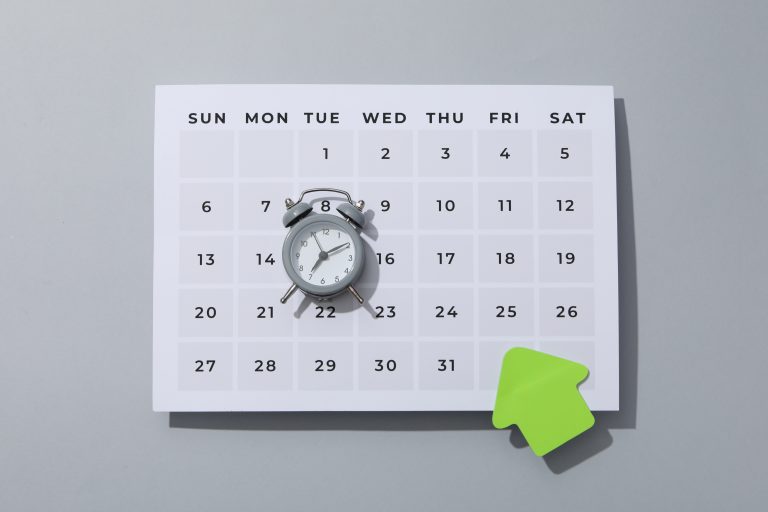
Picture this: it’s Monday morning, your clinic has three no-shows before 10 AM, your salon chair has been empty for two hours, and your service advisor just wasted 45 minutes leaving voicemails that nobody returns. Sound familiar?
If you’re running a customer-facing business in Malaysia, missed appointments aren’t just an inconvenience — they’re a quiet, persistent drain on your revenue. The good news? There’s a straightforward, proven fix: a reliable SMS service in Malaysia that automates your reminders and keeps customers showing up. Let’s dig into why it works, and how to do it right.
No-shows rarely feel dramatic. One missed dental appointment, one empty salon chair, one car service slot that goes unfilled. But add it up across a week, a month, or a year, and the picture changes fast.
Research consistently shows that no-show rates in appointment-based industries hover between 10% and 30%. For a mid-sized clinic seeing 30 patients a day, that could mean 3–9 missed appointments daily — each representing lost consultation fees, idle staff time, and wasted resources.
This is especially painful for local industries like:
And here’s the thing about Malaysia specifically — we live in a noisy digital environment. Emails get buried under promotions and newsletters. App notifications get swiped away. But an SMS? That’s a different story entirely.
Malaysians are heavy mobile users, with smartphone penetration among the highest in Southeast Asia. Yet for all the app usage, SMS still cuts through the noise in a way nothing else does. It arrives instantly, requires no data connection to receive, and sits front and centre on the lock screen.
Let’s be direct: SMS has a 98% open rate, compared to an average email open rate that has been sliding toward 20% (and often much lower for promotional content). More importantly, around 90% of SMS messages are read within the first three minutes of receipt.
For appointment reminders, timing is everything. An SMS nudge the evening before — and another two hours out — is far more effective than an email that gets spotted three days later.
There’s something about receiving an SMS that feels more official, more immediate. When a message pops up with your appointment details, it creates a small but meaningful moment of accountability. Customers are less likely to forget or casually skip something that arrived directly on their phone as a personal message.
For business SMS use cases like appointment confirmations, payment reminders, or service notifications, that sense of directness translates directly into better attendance and faster responses.
Here’s an advantage that’s easy to overlook: SMS doesn’t require a data connection or Wi-Fi. In areas with patchy internet — or for customers who’ve run out of mobile data mid-month — your reminder still gets through. This is particularly relevant in Malaysia, where connectivity can vary significantly outside major urban centres.
Behavioural science has a concept called “nudge theory” — small, timely prompts that guide people toward better decisions without requiring any effort on their part. A well-timed appointment reminder SMS is a nudge in its purest form.
When customers receive a reminder the day before with a simple “Reply YES to confirm or NO to cancel,” two things happen: confirmed bookings feel more committed, and you get early warning of cancellations while there’s still time to fill the slot.
Manual reminder calls are expensive — not just in time, but in energy. A receptionist spending an hour each afternoon making reminder calls is an hour not spent on patient care, customer service, or upselling. SMS automation shifts that entire workflow off your team’s plate.
With the right SMS gateway API, reminders can be triggered automatically based on your booking system — no manual input required. Staff focus on what they do best; the system handles the rest.
Malaysian customers — particularly younger, digitally-savvy ones — increasingly expect businesses to communicate proactively. A timely, personalised reminder doesn’t just reduce no-shows; it signals that your business is organised, modern, and respectful of people’s time. That perception matters for retention and word-of-mouth.
Clinics deal with appointment volumes that make manual reminders impractical. Automated SMS reminders for check-ups, follow-up visits, and vaccination slots ensure patients arrive prepared — and give the front desk advance notice when they don’t. Two-way SMS takes it further, letting patients confirm or reschedule directly via reply.
For salons and spas, managing peak-hour bookings is everything. An automated reminder system helps reduce last-minute no-shows during busy Saturday slots, while a quick confirmation reply from the customer locks in the booking. Some businesses even use SMS to send aftercare tips post-treatment — a simple touch that builds loyalty.
Workshop service coordinators can use SMS automation to notify customers when their car is due for servicing, when the job is complete, or when a part has arrived. It eliminates phone tag, reduces customer anxiety, and makes collection smoother. A quick “Your car is ready for pickup — reply to confirm your preferred time” does a lot of heavy lifting.
Law firms, accounting practices, and consulting businesses have their own appointment rhythm — client meetings, document signings, quarterly reviews. A business SMS reminder for a meeting at 2 PM tomorrow is more reliable than an Outlook invite that gets buried in a packed calendar.
Not all SMS providers are created equal. Here’s what actually matters when evaluating your options.
In Malaysia, the three major telcos are Maxis, CelcomDigi, and U Mobile. A quality SMS provider should connect directly to these carriers rather than routing messages through intermediary networks. Direct connectivity means faster delivery, fewer failed messages, and better reliability — especially during high-volume sends.
If you’re running a booking system, CRM, or any kind of business software, you need an SMS gateway API that integrates cleanly with your stack. Look for a provider with clear, well-documented APIs, SDKs for popular languages, and developer support that doesn’t leave you stranded mid-integration.
This is where Mocean’s SMS API stands out. Built for developers and businesses alike, Mocean offers a straightforward integration process with support for transactional messages, promotional sends, two-way SMS, bulk messaging, and automation — all through a single, reliable platform. With direct telco connections across more than 190 countries, you’re not just set up for Malaysia; you’re ready to scale globally.
Malaysia’s Personal Data Protection Act (PDPA) requires businesses to handle customer data responsibly — and SMS communications are no exception. Your provider should support opt-in and opt-out management, help you maintain clean, consented contact lists, and ensure that data handling meets local regulatory standards. A provider that takes compliance seriously protects your business as much as it does your customers.
Great automation is only as good as the messages it sends. Here’s how to write reminders that get results.
Keep it short. The standard SMS character limit is 160 characters. That’s enough to include everything important: who, what, when, and a CTA. Cut anything that isn’t essential.
Include a clear call-to-action. “Reply YES to confirm or NO to cancel” is simple, actionable, and reduces ambiguity. It also makes your two-way SMS flow feel natural rather than robotic.
Personalise where possible. “Hi Sarah, your appointment at Dr. Lim’s Dental Clinic is tomorrow at 3 PM” performs significantly better than a generic reminder with no name or specific detail. Most SMS platforms, including Mocean’s, support dynamic fields that pull from your customer database automatically.
Get the timing right. A 24-hour reminder is standard. Add a shorter follow-up — two to four hours before the appointment — for higher-stakes bookings. Test what works for your audience and adjust.
Use a recognisable sender ID. “MIRIANClinic” or “AutohausKL” is far more trustworthy than a random short code. Customisable sender IDs, available through Mocean’s SMS API, ensure your brand identity is front and centre.
The ROI of a well-implemented appointment reminder system is hard to argue with. Reducing no-shows by even 30–50% can meaningfully improve revenue per day, reduce staff overhead, and improve customer experience — all at the same time.
Start small if you need to. Pick your highest-volume appointment type, set up a simple 24-hour reminder workflow, and measure the impact over four weeks. The data will tell you what to optimise next.
What you’ll quickly find is that the right SMS service in Malaysia isn’t just a communication tool — it’s a quiet engine for business growth.
Ready to reduce no-shows and automate your reminder system?
Mocean’s SMS API is built for exactly this — fast, reliable, developer-friendly, and priced transparently on a pay-as-you-use model with no hidden fees. Whether you’re a growing clinic, a busy salon, or an enterprise with thousands of appointments a day, we’ve got you covered.
Start Your Free Trial — no commitment, no surprises. Contact Us if you’d like to chat through your use case with our team.

It is used to send automated appointment reminders, confirmations, and notifications to customers so they remember their scheduled booking.
They remind customers before their appointment, usually one day or a few hours earlier, so customers remember to attend or cancel early.
SMS messages have about a 98% open rate and most people read them within three minutes, while emails are easier to miss.
Yes. With two-way SMS, customers can reply to confirm or cancel their appointment.
They should check for direct telco connectivity, a reliable SMS API for integration, and PDPA compliance for proper data handling.
2026 © Micro Ocean Technologies Sdn. Bhd